Discover What Forensic Science Jobs Entail
📅 2026 Update: Advances in Forensic Science and the Criminal Justice System
Since the original article was published, several significant advancements have occurred in forensic science. These developments impact how forensic evidence is collected, analyzed, and used in the criminal justice system. The information from the earlier article continues further down this page.
🔬 Advancements in Forensic DNA Analysis
Between 2023 and 2025, there were major improvements in forensic DNA analysis. Rapid DNA analysis techniques now allow for quicker results. Next-generation sequencing (NGS) technologies have also been introduced, enhancing the ability to analyze complex DNA samples.
These advancements help law enforcement solve cases more efficiently.
🤖 Integration of Artificial Intelligence
Artificial intelligence (AI) has started to play a role in forensic science. Recent studies show AI can improve bloodstain pattern analysis. This integration enhances the accuracy and efficiency of investigations, leading to better outcomes in solving crimes and gathering evidence.
⏳ DNA Analysis Turnaround Times
The turnaround time for forensic DNA analysis can still take weeks to months. This duration often depends on the laboratory’s workload and the complexity of the case. Timely submission of DNA evidence is necessary to prevent sample degradation and speed up the analysis process.
🧪 DNA Collection in Death Investigations
In death investigations, DNA samples are typically collected from specific areas on the victim’s body. These areas are where a suspect may have touched. Advances in technology now allow for the successful collection of touch DNA, expanding the chances to identify evidence that can resolve violent crimes.
📊 Importance of Forensic Science in Crime Prevention
Efficient forensic DNA analysis plays an important role in crime prevention. Timely analysis can help prevent further crimes and exonerate innocent individuals. This reinforces the necessity of effective forensic practices in the justice system.
📌 Key Points Summary
- 🔍 Advancements in DNA analysis techniques improve case resolution.
- 🤖 AI integration enhances forensic investigation accuracy.
- ⏳ Turnaround times for DNA analysis can vary widely.
- 🧪 DNA collection procedures are critical in death investigations.
- 📊 Forensic science significantly contributes to crime prevention efforts.
💡 Tips for Understanding Forensic Science in the Criminal Justice System
Review the specifics of your situation with your attorney to ensure you understand how these changes may apply to you.
🧑⚖️ Understanding Eligibility for DNA Analysis
Eligibility for forensic DNA analysis is typically determined by law enforcement. The nature of the crime and the availability of biological evidence play critical roles in this decision-making process.
📅 The Importance of Timely Evidence Submission
Submitting DNA evidence promptly is essential. Delays can lead to the degradation of biological samples, making analysis more difficult or even impossible. Quick action can significantly affect case outcomes.
🔬 Keep Up with Forensic Science Advancements
Stay informed about the latest developments in forensic science. New methodologies and technologies are continually emerging, which can impact how evidence is collected and analyzed in criminal cases.
📖 Utilize Educational Resources
Explore the resources provided by organizations like the National Institute of Justice and the American Academy of Forensic Sciences. These institutions offer valuable information on best practices and advancements in forensic science.
🔍 Engage with Your Community
Community engagement in forensic science practices builds trust and transparency. By understanding forensic methods, community members can better appreciate their role in the criminal justice system.
🏆 Free Options Ranked by User Reviews (2026)
No paid national service meets the review threshold for this topic. Instead, here are free government and nonprofit resources available to assist individuals in navigating forensic science and its applications.
🥇 1. National Institute of Justice (NIJ)
The NIJ offers a wealth of resources and publications on forensic science advancements. Their materials are designed to help law enforcement agencies and forensic professionals stay informed about best practices and new technologies.
🥈 2. American Academy of Forensic Sciences (AAFS)
The AAFS provides educational materials and training programs for those interested in forensic science. They also publish the Journal of Forensic Sciences, which contains peer-reviewed articles on various forensic disciplines, aiding professionals in their work.
🥉 3. Forensic Science Journals
Journals such as the Journal of Forensic Sciences and WIREs Forensic Science contribute to the advancement of forensic science. They publish research and developments that are critical for practitioners and researchers in the field.
4️⃣ Forensic Intelligence Integration
This approach uses data analytics to connect forensic science with criminal investigations. By integrating forensic intelligence, law enforcement can enhance their investigative efforts and improve overall case outcomes.
🔎 What to Check Before Paying for Forensic Help
- 🧾 Research the credentials of any service provider.
- 🕵️♂️ Look for reviews or testimonials from previous clients.
- ⚖️ Ensure they follow ethical practices and standards.
- 📚 Verify their involvement with professional organizations.
❓ Frequently Asked Questions
🔍 What is the role of forensic DNA analysis in criminal cases?
Forensic DNA analysis helps to identify suspects and exonerate the innocent. It provides critical evidence that can link individuals to crime scenes or victims.
🧪 How has technology improved forensic science?
Recent advancements, such as next-generation sequencing and AI integration, have enhanced the accuracy and efficiency of forensic analysis, leading to better investigative outcomes.
⏳ Why is timely submission of DNA evidence important?
Timely submission prevents the degradation of biological samples. Quick analysis can significantly impact the resolution of criminal cases.
📊 How does forensic science contribute to public safety?
Forensic science improves the accuracy of investigations, helping law enforcement solve crimes more effectively. This contributes to overall public safety by deterring criminal activity.
🏛️ What organizations support forensic science professionals?
The National Institute of Justice and the American Academy of Forensic Sciences provide valuable resources, training, and educational materials for forensic professionals.
🗳️ How can community engagement help forensic science?
Engaging the community fosters transparency and trust in forensic practices. It encourages collaboration between forensic professionals and the public, enhancing the effectiveness of the criminal justice system.
⚖️ Recent Cases in Forensic Science
Recent court rulings highlight the evolving role of forensic science in the criminal justice system. These cases demonstrate the importance of accurate forensic evidence in legal proceedings.
- Idaho court upholds conviction for felony drug possessionIdaho Court of Appeals · October 20, 2026
- Court affirms conviction of John Woods for domestic violenceCourt of Appeals of Washington · October 20, 2026
- New Jersey court denies appeal for post-conviction reliefNew Jersey Superior Court Appellate Division · October 20, 2026
- Wisconsin Court Upholds Conviction in Child Sexual Assault CaseCourt of Appeals of Wisconsin · October 20, 2026
Explore more recent rulings in the news section for updated insights on this topic. more rulings on the news page.
End of October 2026 Update
What is Forensic Science?
Forensic science, which is a combination of broad sciences, is used to answer questions revolving around crime scenes and legal matters. Forensic science may be applied to a felony or a civil action. However used, the field of forensic science will apply various technologies and formulas to expedite an investigation.
Forensic science, because of the agglomerated framework, is often described as a broad discipline within the science and law enforcement community. Within forensic science exists a number of specific disciplines, which may range from forensic veterinary science to forensic anthropology.
Individuals involved in the field of forensic science are part of an ancient tradition where the facts of legal matters are thoroughly analyzed in scientific manner to gain pertinent information that can ultimately be used in an investigation and subsequent prosecution.
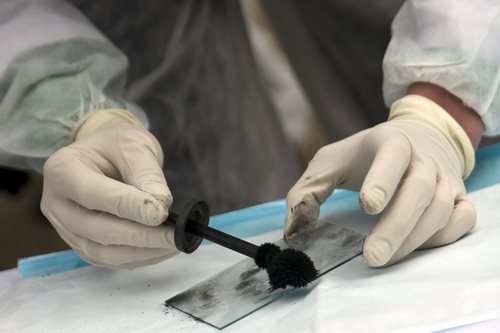
Forensic Science Training
Those involved in forensic science jobs possess extensive training in their particular field of expertise. This training is typically paired with knowledge for handling evidence to maintain the appropriate chain of custody that is required to impede the compromising of evidence.
Individuals involved with forensic science jobs are skilled at evaluating evidence extracted from a crime scene. Following the obtainment of evidence, these individuals will use principles of the scientific method to generate reports which are used to help members of law enforcement find criminals.
Those involved in forensic science jobs can also be used to testify in court. As a type of expert witness, these individuals will reveal how the evidence was gathered, handled and subsequently analyzed. The types of equipment used to extract the evidence will also be elucidated upon in a court setting.
Forensic Science Jobs Explained
Individuals who work in forensic science will perform such activities as investigating physical evidence from crime scenes, collecting DNA samples and conducting tests on weapons. An individual interested in forensic science jobs must obtain a postgraduate degree in a forensic science field to pursue a career in criminology.
With a degree in forensic science, an individual can work as a crime laboratory analyst. These individuals study physical evidence extracted from a crime scene. These types of forensic science jobs evaluate such evidence to help law enforcement officials piece together a crime based on scientific discoveries.
Within the realm of forensic science jobs is a laboratory technician. Forensic science technicians are responsible for collecting and analyzing samples and putting together reports based on the evaluations of such evidence.
These types of forensic science jobs are typically asked to testify in criminal court cases as expert witnesses. As an expert witness, the individual will provide scientific information regarding their discoveries.
A forensic science diploma is also the starting point to pursue a career as a ballistics expert. These types of forensic science jobs help detectives and other law enforcement agents identify the types of firearms used to commit a crime. To become a ballistics expert, the individual will need a background in forensic science, as well formal training in weaponry.